Teacher Squad Sublimation: A Designer's Real-World Review
As someone who spends most of my day digitizing files and reviewing machine embroidery design assets for commercial use, I approach new downloads with a critical eye. We often see a disconnect between what looks vibrant on a screen and what actually holds up under the needle. Today, I am evaluating the Teacher Squad Sublimation file. While the product listing describes it as an SVG, PNG, DXF, and EPS digital file intended for cutting machines like Cricut and Silhouette, my focus is strictly on how this graphic translates into a tangible, stitched embroidery project. Can a sublimation-style graphic survive the transition to thread? Let's dig into the practical realities of using this asset in a real craft business setting.
First Impressions and Visual Personality
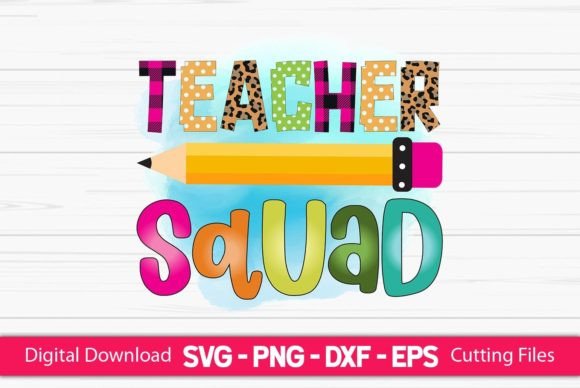
When I first opened the Teacher Squad Sublimation file, the immediate impression was one of bold, cohesive energy. The layout is designed to be impactful, likely featuring strong typography and thematic icons that scream "school spirit." For an embroidery designer, the mood here is celebratory and communal. It feels less like a delicate heirloom piece and more like a statement uniform for a team. The visual personality suggests it belongs on items meant to be seen from a distance—think staff lounge apparel or tote bags carried through busy hallways. However, because this originates as a sublimation graphic, the lines are likely smooth and gradient-heavy in their original form. Translating this to an embroidery file requires careful consideration of how those smooth digital curves will break down into satin stitches or fill patterns.
The Real-World Test: Custom Staff Apparel
To give this a fair shake, I envisioned a specific scenario: a local elementary school ordering custom sweatshirts for their faculty before the first day of term. They want something that unifies the staff but feels modern, not dated. This is where Teacher Squad Sublimation shines conceptually. If I were to adapt this graphic for sweatshirt embroidery, the bold nature of the design would pop beautifully against heather grey or navy fleece. The "squad" aspect implies a group identity, making it perfect for custom apparel where consistency is key.
Imagine placing this on the back of a teacher's cardigan or the chest of a zip-up hoodie. The design's structure seems robust enough to handle the texture of heavier fabrics. Unlike intricate floral motifs that get lost in the pile of fleece, a squad-themed graphic usually relies on clear shapes and readable text. In this context, the finished product would exude professionalism mixed with fun, boosting morale and creating a sense of belonging among the staff. For an Etsy seller or small shop product creator, this is the kind of item that sells well in late summer, offering a high perceived value for a relatively straightforward production run.
Navigating Technical Challenges in Stitching
Here is where we must be honest about the limitations. Since Teacher Squad Sublimation is marketed primarily as a cut file for vinyl or a print file for sublimation, using it for embroidery requires a strategic approach. If you are digitizing this yourself or commissioning a digitizer, you cannot simply import the SVG and expect magic. Sublimation designs often rely on color blends that thread cannot replicate without complex shading techniques.
You need to watch out for stitch density. If the original graphic has large solid areas of color, converting these directly to fill stitches can result in a stiff, cardboard-like patch on the fabric. This is particularly problematic on stretchy fabric or thin materials like poly-cotton blends used in school uniforms. A heavy density can cause puckering, ruining the drape of a tote bag design or a lightweight tee. Furthermore, if the design includes tiny lettering—a common trait in "squad" graphics—you must ensure the text is large enough to be rendered in a satin stitch without merging together. On a curved surface like a cap, small details can distort easily, so this design might be better suited for flat applications like aprons or pillow covers rather than structured hats.
Fabric and Hoop Considerations
Before committing to a full production run, you must consider your hoop size. Does the design fit within a standard 5x7 or 6x10 hoop, or will it require re-hooping? For a handmade product intended for sale, efficiency matters. If the design is too large for a single hoop, the registration marks must be perfect to avoid visible gaps in the stitching. Additionally, think about the fabric texture. On dark fabrics, you may need to adjust the thread colors for higher contrast, as sublimation designs sometimes assume a white or light background for certain elements to show through. Always test the design on scrap fabric first. Check how the stabilizer interacts with the material; a cut-away stabilizer is often necessary for garments that will undergo frequent washing, ensuring the embroidered patch effect remains stable over time.
Commercial Viability and Brand Consistency
For craft business owners, the appeal of Teacher Squad Sublimation lies in its versatility. It can be adapted for various personalized gift occasions beyond just back-to-school. Think of holiday embroidery for end-of-year appreciation gifts, or even wedding gifts for teachers getting married. The key to maintaining brand consistency is ensuring that every stitched unit looks identical. Because this is a "squad" theme, inconsistency stands out immediately. If one shirt has loose threads or uneven tension, it breaks the illusion of a unified team.
From a marketing perspective, this design asset supports strong printable mockup creation. Even before stitching a single thread, you can create compelling visuals for your online store. However, remember that customers buy the finished look. The transition from a digital Graphics file to a tactile Crafts item must be seamless. High-quality stitching enhances customer trust and encourages repeat business. If the design assets are used correctly, they elevate a simple garment into a cherished keepsake that a teacher might wear for years.
Final Designer Notes and Licensing
Before you list this as a commercial embroidery item, there are crucial steps to take. First, verify the licensing terms. Just because a file is available for download does not automatically grant rights for unlimited commercial resale of the stitched item, especially if the design includes licensed fonts or characters. The product description mentions it is a digital file for cutting machines, so you must confirm if the creator allows derivative works like embroidery.
Secondly, do not guess on the technical specs. Since exact stitch counts and recommended needle sizes are not provided in the base file description, you must determine these through testing. Run a black-and-white test stitch-out to check for clarity in the running stitch outlines and density fills. Compare the design on both light and dark backgrounds to ensure visibility. Finally, inspect the small details closely. Are there isolated stitches that might snag? Is the underlay sufficient for the top stitching to sit properly? Taking these precautions ensures that your small shop product stands out for its quality, turning a simple digital download into a premium embroidery project that delights your customers.