Hot Air Ballon with Mono Q: A Designer's Review
When I first pulled up the Hot Air Ballon with Mono Q file on my screen, I wasn't just looking at another digital asset to add to my library. As someone who spends hours hooping fabric, threading needles, and troubleshooting stitch-outs for clients, I look for designs that translate well from a vector graphic to a tangible, stitched reality. This design sits comfortably in the Crafts and Graphics categories, but its true potential lies in how it performs as a machine embroidery design for real-world products. The whimsical nature of a hot air balloon paired with a monogram initial creates an immediate sense of adventure and personalization, which is exactly what modern buyers are looking for in handmade goods.
First Impressions and Visual Personality
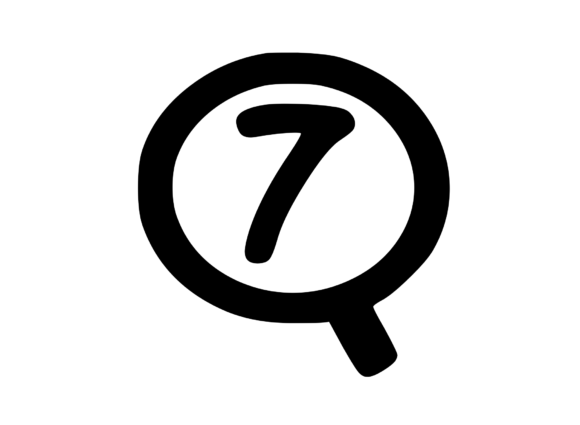
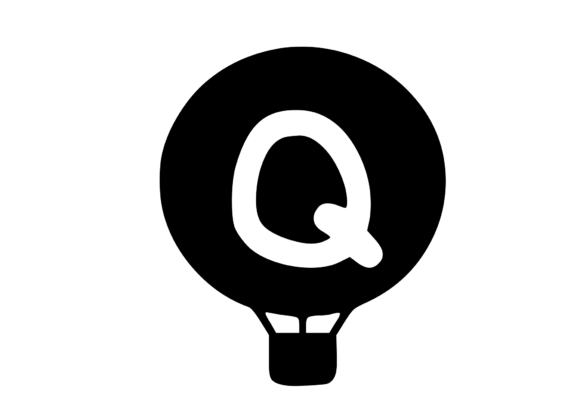
The visual personality of Hot Air Ballon with Mono Q is charming without being overly childish. The silhouette of the balloon suggests movement and lightness, while the integration of the letter "Q" anchors the design, giving it a purpose beyond simple decoration. For an embroidery project, the layout feels balanced. The curves of the balloon basket and the envelope provide excellent opportunities for fill stitch work, which can add texture and depth to the finished product. Meanwhile, the monogram likely utilizes a cleaner satin stitch or a refined running stitch to ensure legibility. This contrast in stitch types is crucial; it prevents the design from looking like a flat blob of thread and instead creates a dynamic interplay between the illustrative element and the personalized text.
In terms of mood, this design evokes travel, dreams, and individuality. It is not aggressive or overly trendy, which means it has longevity. For a small shop product or an Etsy listing, having a design that doesn't scream "2024 trend" is a massive advantage. It allows you to sell the item year-round, rather than being stuck with inventory that feels dated in six months.
Real-World Application: The Custom Tote Scenario
To truly evaluate this embroidery file, I imagined a specific client request: a custom tote bag for a book lover named Quinn who enjoys weekend getaways. Using Hot Air Ballon with Mono Q on a canvas tote is a perfect use case. Canvas provides a stable base that can handle the stitch density required for the balloon details without puckering excessively. The design would sit prominently on the front panel, acting as both branding for the maker and a personalized statement for the user.
If I were stitching this for a boutique, I would lean into earthy thread colors—mustards, rusts, and slate blues—to mimic a vintage travel poster aesthetic. The result would be a high-value handmade product that feels curated rather than mass-produced. Customers are willing to pay a premium for items that feel thoughtful, and the combination of a scenic element with a monogram hits that sweet spot perfectly. This same logic applies to sweatshirt embroidery. Placing this design on the left chest of a cozy fleece pullover creates a subtle yet stylish look, ideal for custom apparel lines targeting young adults or parents.
Nursery Decor and Baby Items
Another strong avenue for this design is the nursery market. Baby embroidery often relies on soft, comforting imagery, and a hot air balloon fits this theme beautifully. Imagine this stitched onto a muslin swaddle blanket or a felt banner above a crib. The "Q" could represent the baby's name, making it a cherished personalized gift for a baby shower. However, when working with baby items, one must be mindful of the fabric texture. Delicate knits require a careful approach to tension and stabilizer to ensure the stitches don't distort the fabric or irritate sensitive skin.
Technical Considerations and Fabric Challenges
While the aesthetic appeal is high, a professional reviewer must address the technical hurdles. Not every fabric plays nice with every design. If you plan to use Hot Air Ballon with Mono Q on stretchy fabrics like jersey knit for t-shirts, you absolutely must use a high-quality cut-away stabilizer. Without it, the weight of the balloon fill stitches could cause the fabric to pucker over time, ruining the crisp lines of the monogram.
Similarly, consider the hoop size constraints. If you are adapting this for smaller items like an embroidered patch or a cap, you need to verify that the details of the balloon basket do not become lost. Tiny details that look sharp on a computer screen can turn into a muddy mess when stitched out at 2 inches wide. For curved surfaces like caps, the placement of the monogram is critical; if the "Q" sits too close to the edge of the hoop or the curve of the brim, it may distort during the stitching process.
Dark fabrics present another challenge. If you are stitching this onto a navy hoodie or a black tote, you cannot rely on the default thread colors. You will need to manually adjust the thread colors in your software to ensure sufficient contrast. A dark balloon on a dark shirt will vanish. This is where your expertise as a designer adds value—knowing how to swap threads to make the design pop against any background.
Enhancing Brand Value and Customer Trust
Using a cohesive design like Hot Air Ballon with Mono Q across your product line can significantly boost brand consistency. Whether you are selling holiday embroidery gifts, wedding favors, or everyday accessories, maintaining a consistent style helps customers recognize your work. A well-executed stitch-out builds trust. When a customer sees clean edges, proper density, and a design that fits the garment perfectly, they perceive the entire finished product as high quality. This perception directly influences buyer engagement and repeat business.
For Etsy sellers and creative entrepreneurs, this design serves as a versatile design asset. It can be used to create printable mockups for your shop before you even stitch a single thread, helping you gauge market interest. However, always remember that a digital preview is not a guarantee of stitch quality. The transition from digital embroidery file to physical object requires testing.
Practical Notes for the Professional Maker
Before committing to a production run or promising a deadline to a client, follow these practical steps:
- Test on Scrap Fabric: Always stitch a sample on the exact same fabric and weight you intend to use for the final product. This reveals issues with tension and density immediately.
- Check Licensing: The description notes this is great for artists and crafters, but always confirm the specific license terms regarding commercial embroidery. Can you sell the physical item? Can you resell the file? Clarity here protects your business.
- Inspect Small Details: Zoom in on the connection points between the balloon and the letter. Ensure there are no unnecessary jumps or trims that could weaken the structure.
- Contrast is Key: Test the design in black and white mockups to ensure the shape holds up even without color. If the silhouette is weak, the design will fail on low-contrast fabrics.
- Wash Testing: If the item is meant to be washed frequently, like a kitchen towel or apron, wash your test sample to check for fraying or shrinkage.
In conclusion, Hot Air Ballon with Mono Q offers a delightful blend of illustration and personalization that fits seamlessly into the current market for handmade and customized goods. Its versatility allows it to shine on everything from rugged tote bags to delicate baby wear, provided the maker respects the technical requirements of the fabric and machine. By approaching this embroidery project with a keen eye for detail and a commitment to quality, you can transform a simple graphic into a standout product that resonates with customers and elevates your craft business.