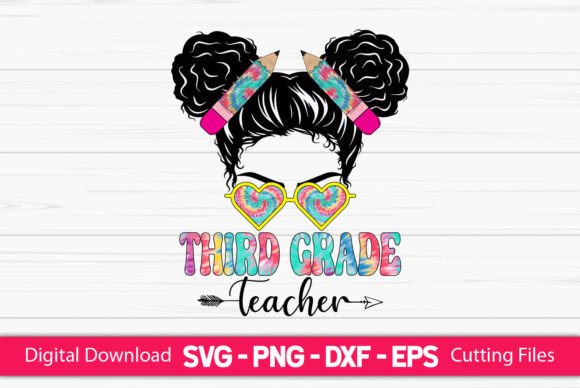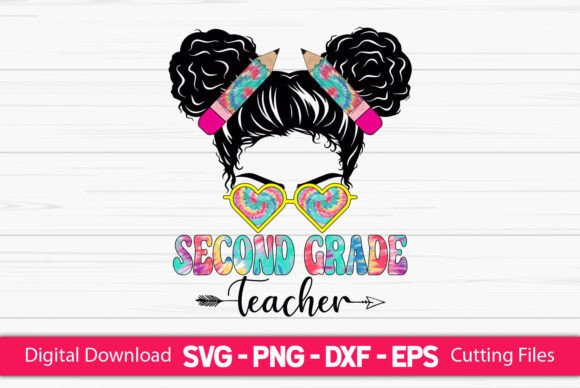
Review: Second Grade Teacher Messy Bun Design
As a designer who spends more time at the hoop than away from it, I approach every new machine embroidery design with a mix of excitement and skepticism. We've all seen the trend of "messy bun" graphics flood the market, but finding one that translates well from a screen to actual thread requires a keen eye. Recently, I evaluated the Second Grade Teacher Messy Bun file to see if it holds up for real-world production. This isn't just about whether the SVG looks cute on a laptop; it's about whether the resulting finished product will satisfy a paying customer or make a cherished gift.
The first impression of this digital embroidery file is its playful energy. The layout captures that specific, relatable vibe of the education profession—chaotic but organized, tired but enthusiastic. For an Etsy seller or craft business owner, mood matters. This design speaks directly to a niche audience: second-grade teachers who live in a world of glue sticks, lost pencils, and endless energy. Visually, the shape is balanced, avoiding the overly complex details that often turn into a bird's nest of thread breaks during stitching. It feels like a natural fit for custom apparel, specifically items meant to be worn with pride during the school year.
Real-World Application: The Staff Lounge Sweatshirt
To truly test the viability of this asset, I imagined a specific scenario: creating a personalized gift for a teacher friend or a piece of merchandise for a boutique shop specializing in educator gear. The ideal canvas here is a mid-weight cotton blend sweatshirt embroidery project. Why? Because the casual nature of the "messy bun" theme pairs perfectly with the comfort of a fleece crewneck.
When visualizing the Second Grade Teacher Messy Bun on a heather grey or navy sweatshirt, the design's simplicity becomes its strength. In a busy staff lounge or on the first day of school, the graphic needs to be readable from a distance. Unlike intricate applique design options that might get lost in the fabric pile, this graphic relies on bold shapes. If you are using this as a tote bag design for carrying lesson plans, the open spaces within the bun shape allow the fabric texture to breathe, preventing the bag from becoming stiff and board-like—a common complaint with dense digitizing.
For those running a small shop product line, versatility is key. This design could easily transition from a holiday gift for a favorite instructor to a standard inventory item for back-to-school sales. The emotional connection is immediate; teachers love seeing their specific grade level represented. It adds a layer of personalization that generic "Teacher" designs lack, potentially increasing the perceived value of your handmade product.
Technical Considerations for Stitching Success
While the concept is solid, the execution depends entirely on how you handle the technical side of the embroidery project. Since the source file is described as an SVG, PNG, DXF, and EPS intended for cutting machines, there is a critical step missing for embroiderers: digitizing. You cannot simply load these vector files into an embroidery machine and expect perfect results unless you have software that auto-digitizes, which rarely yields professional quality.
If you are converting this graphic into a stitch file yourself, pay close attention to stitch density. The "messy" aesthetic should not translate to messy stitching. Aim for a combination of satin stitch for the outlines to give definition and a light fill stitch for the interior. Avoid heavy running stitch areas on stretchy fabrics, as they can pucker over time. Before committing to a final piece, always test the design on scrap fabric that matches your final material. Check how the thread colors contrast against the background; a dark brown bun on a black shirt will vanish, ruining the effect.
Fabric choice is another variable where caution is needed. While this design works beautifully on stable cottons and poly-blends, be careful with textured fabrics like heavy waffle knits or very thin, slippery silks. On a curved surface like a cap, the width of the bun graphic might cause distortion if the hoop size is too small or if the stabilizer isn't robust enough. Speaking of stabilizer, do not skimp here. A cut-away stabilizer is often safer for garments that will undergo frequent washing, ensuring the design doesn't sag after a semester of wear.
Navigating Commercial Use and Licensing
For the commercial embroidery professionals reading this, the legal aspect is just as important as the aesthetic one. The product description indicates this is a digital file for cutting machines, but it does not explicitly detail the licensing terms for selling finished embroidered goods. Before listing this as a printable mockup or selling physical items on Etsy, you must verify the license. Some creators allow unlimited sales of finished physical products, while others restrict commercial use entirely.
Assuming the license permits commercial use, this design is a strong contender for building brand consistency. If your shop focuses on education-themed goods, having a cohesive set of grade-specific designs builds trust with buyers. They know they can come to you for kindergarten, first grade, and second-grade specific items. This reliability fosters customer loyalty. However, if the digitized version lacks clarity—for instance, if the tiny text saying "Second Grade" blurs into a blob—it can damage your reputation. Always inspect small details closely. If the lettering is too small for your machine's needle capability, consider removing the text or enlarging the overall design to maintain stitching clarity.
Final Verdict on Visual Appeal and Value
The Second Grade Teacher Messy Bun succeeds because it taps into a cultural moment within the teaching community. It's not just a picture; it's an inside joke and a badge of honor. When executed correctly with proper stabilizer and thread choices, it elevates a simple garment into a conversation starter. For the creative entrepreneur, it offers a low-risk, high-reward opportunity to expand their catalog without needing complex multi-color setups.
However, remember that the source files listed (SVG, PNG, DXF, EPS) are primarily for cutting. To get the best embroidery file performance, you may need to invest time in manual digitizing or purchase a pre-digitized version if available. Do not assume the vector paths will automatically create optimal stitch directions. Test on both light and dark backgrounds to ensure versatility. If you take the time to refine the stitch path and respect the limitations of your machinery, this design can become a staple in your design assets library, delivering personalized gifts and profitable merchandise that teachers will genuinely love to wear.
In the end, the value of this graphic lies in its relatability. It transforms a standard holiday embroidery gift or a back-to-school treat into something that feels custom-made and thoughtful. Just ensure your technical preparation matches the charm of the design itself.